- U'wine
Tasting stages
- Mon, Feb 5, 2024
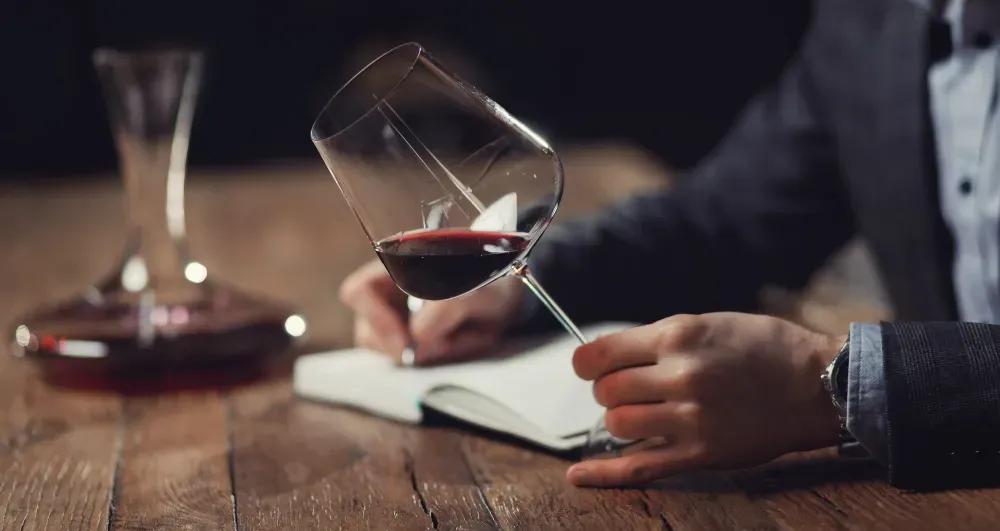
The eye: appreciate the wine's colour
First impressions count, and this is particularly true when it comes to tasting wine. When the wine is poured into the glass, take the time to observe the intensity, brilliance and clarity, then look at the wine's hue and reflections.
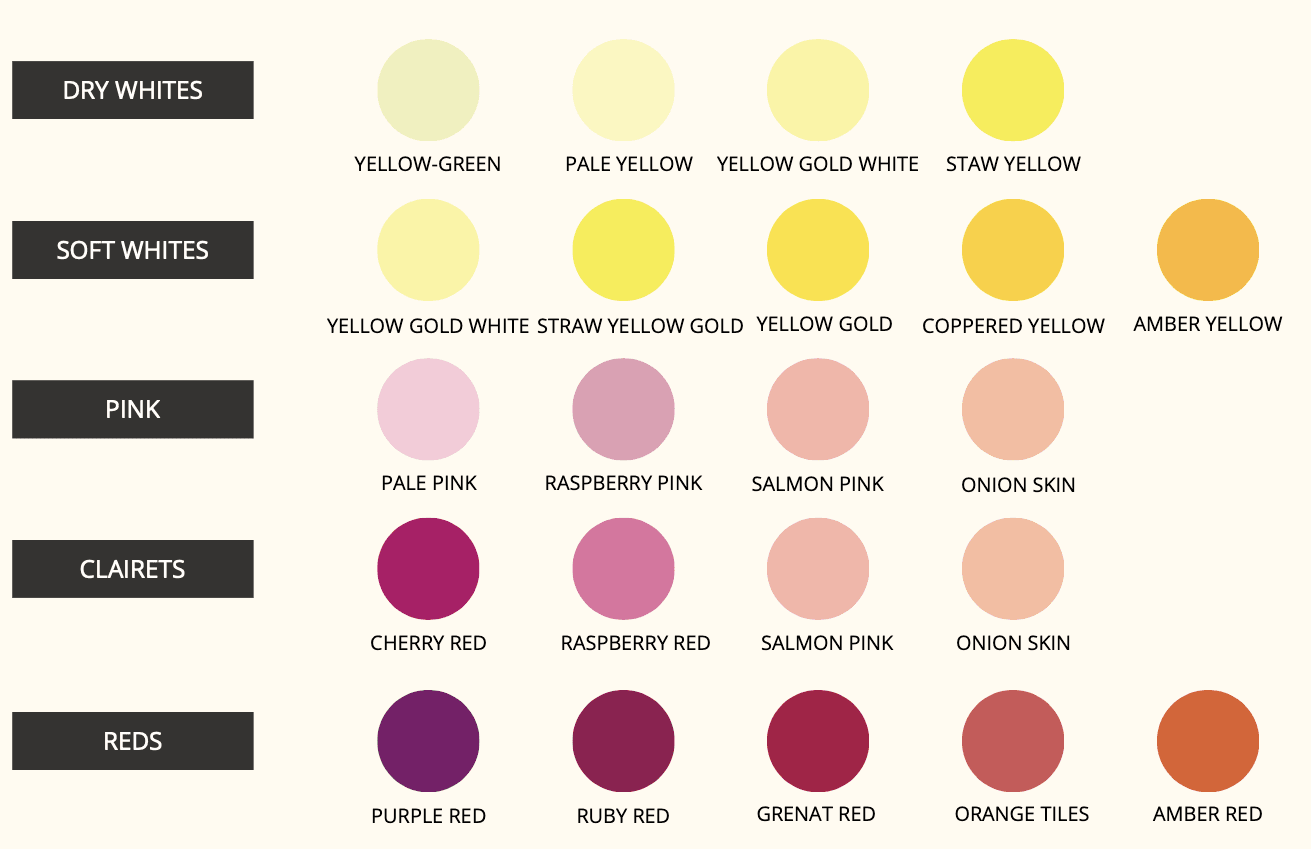
A wine's colour can tell you a lot about its age, its grape variety and even its production process. Red wines can range from ruby to garnet, while white wines can range from pale yellow to golden. It's important to remember that every wine has a story behind it, reflecting the person who created it, their life and their passions.
The nose: immerse yourself in the bewitching aromas
The second step invites you to smell the wine's aromas - in other words, the smells that bring back memories. After observing the colour, gently bring your nose up to the rim of the glass and inhale deeply. Explore the different notes, from ripe fruit to subtle spices and floral aromas. Swirl the wine lightly in the glass to release more of the fragrance, then repeat.
The aromas
This stage brings out the first so-called primary aromas. Primary aromas come directly from the grape variety and are often associated with fruit, flowers and herbs. These fresh, vibrant notes are perceptible as soon as you open the bottle.
The aromas found in the nose stage can be broken down into 11 families:
- Animal - game / meat
- Balsamic - incense / resin
- Woody - light tobacco / new wood
- Chemical - alcohol / ink
- Spicy - liquorice / spices
- Empyreumatic - coffee / caramel
- Ethereal - candle / green apple
- Floral - honey / fresh flowers
- Fruity - dried fruit / jam
- Mineral - quartz / flint
- Vegetal - undergrowth / grass
The mouth: dancing with flavours
Finally, the moment you've been waiting for - the tasting. Take a sip and let the wine envelop your palate, revealing its secrets. Take note of the first impression, then take the time to swirl the wine in your mouth. Explore the developing flavours, from juicy fruit to robust tannins. Observe the length of the finish, the persistence of flavours, which translates into how long the wine will continue to deliver its aromas once spat out or swallowed. This stage provides information about the wine's origin, maturity, grape variety, etc.
The aromas
Tasting releases secondary and then tertiary aromas that complement the aromas exhaled during the nose stage.
Secondary aromas, which develop during fermentation and barrel ageing, are the result of interactions between the wine and the yeasts or barrels. They include more complex nuances such as vanilla, toast and hazelnut aromas.
Finally, tertiary aromas develop over time with bottle ageing, bringing evolved characteristics such as leather, tobacco and notes of undergrowth. The complexity of the aromas gives you a taste of the wine's history, revealing its secrets and nuances.
The balance
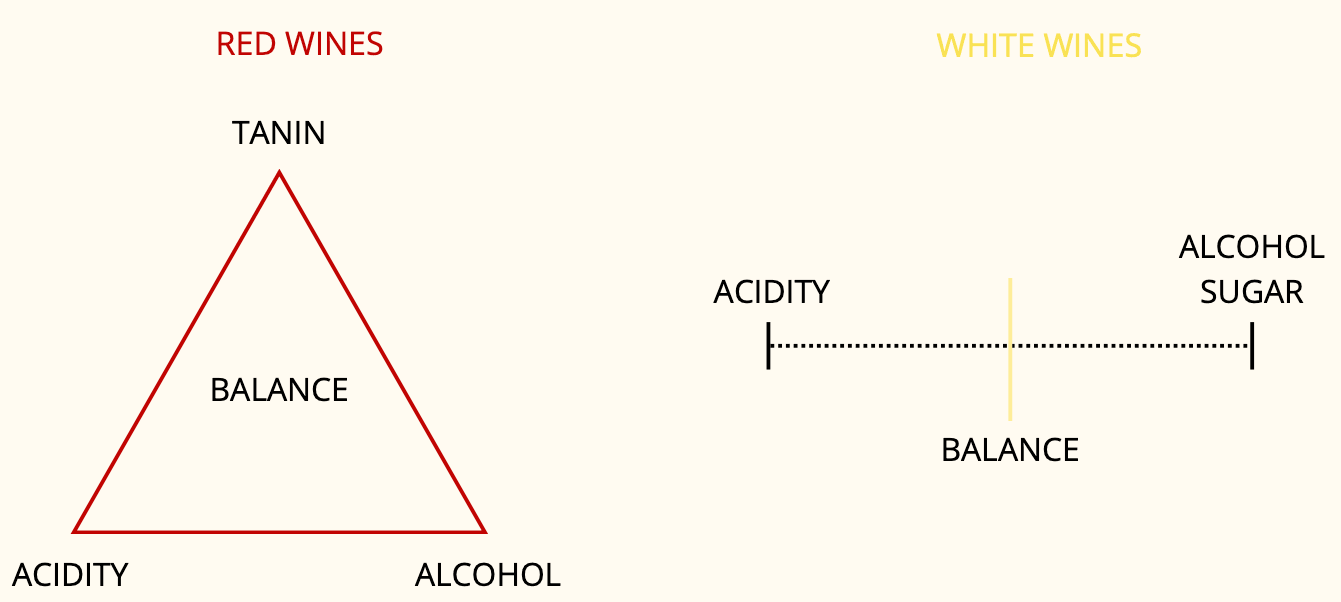
At the tasting stage, the question of balance comes up again. For white wines, balance is the tightrope between acidity and sugar content. Red wines, on the other hand, strike a more complex balance, often represented as a triangle between tannins, acidity and alcohol. The balance of a wine transcends mere taste to become an artistic experience, capturing the essence of the terroir and the winemaker's expertise.
However, don't forget that the aim of a tasting is to enjoy yourself, to express yourself and to give your impressions. The more you play the game, the easier it will become!
Share your discoveries!
Wine tasting is a sensory experience that requires patience and attention. Although these steps are steeped in tradition and oenological knowledge, it's essential to remember that tasting is first and foremost a personal experience. It's an invitation to express your own feelings, to share these precious moments with your loved ones and to make each tasting an authentic pleasure.


Fine wine is worth your passion

+ More than 1,400 wines
Bordeaux, Burgundy, Rhône Valley, Italy, ...
Secure delivery
Break-free delivery with our technology.
The 1% of the planet
From more than 250 top domains in the world.
The Cave INVEST offer and the Cave CONSO offer have been the subject of information documents registered by the Autorité des Marchés Financiers.