- Tasting
First wine tasting: how do I go about it?
- Fri, Sep 27, 2024
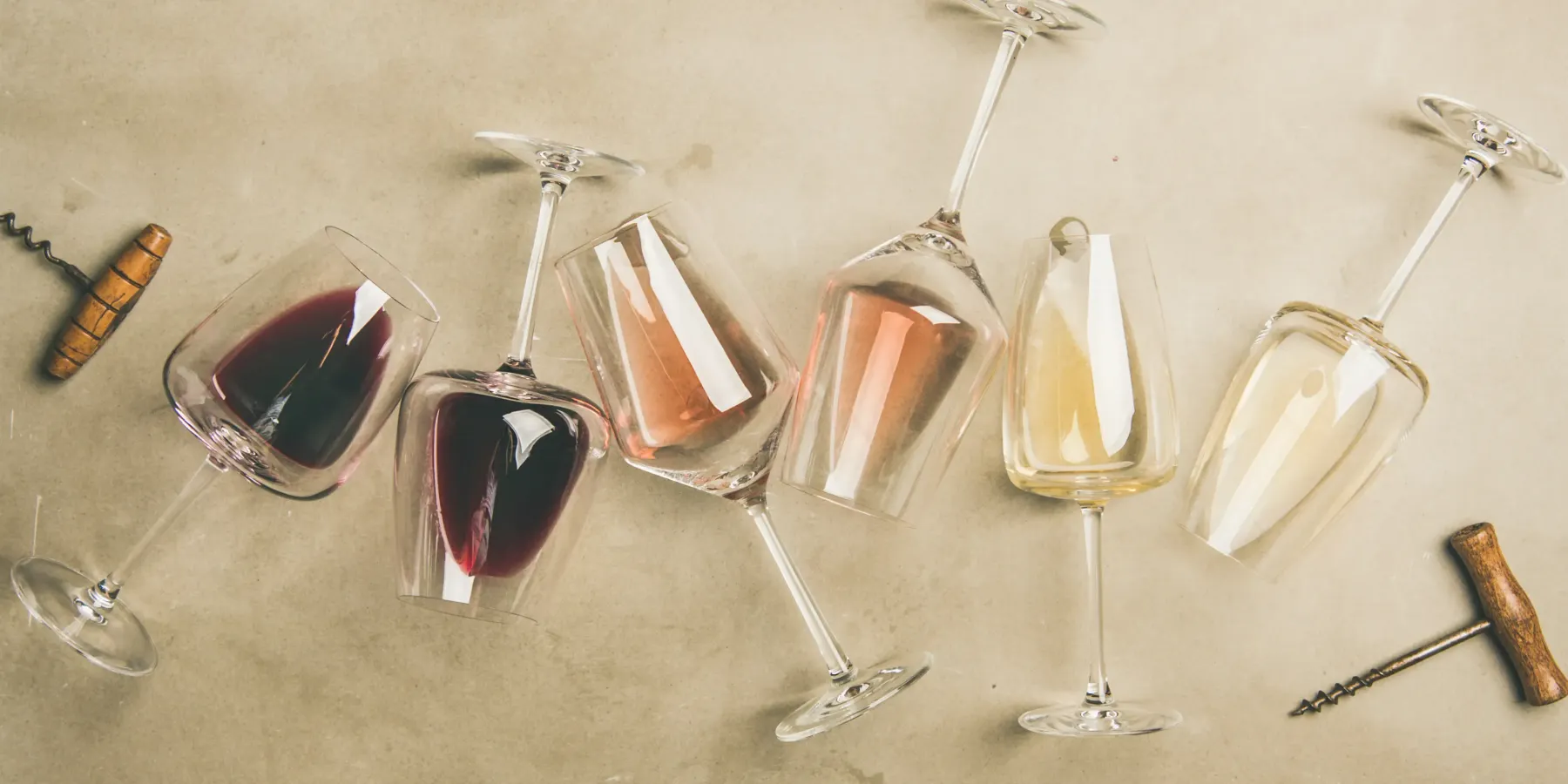
The art of wine tasting
Before delving into the technical details, it's essential to understand what wine tasting really is. Wine tasting consists of analyzing the different characteristics of a wine through three main senses: sight, smell and taste. It allows you to discover the richness of aromas and flavors, while developing your palate to better appreciate the subtleties of the wine.
Getting your taste buds ready
To make the most of your first wine tasting experience, it's important to prepare your palate. Here are a few essential tips:
- Avoid smoking or eating strong-flavored foods (such as garlic, coffee or spices) before tasting. These foods can alter your taste sensations and prevent you from fully appreciating the wine's aromas.
- Keep well hydrated. A dry mouth can distort your impressions of the wines you taste. Drinking water before and during tasting helps keep your taste buds alert.
- Taste in a neutral, quiet place, without strong odors (perfumes, food...) to avoid altering the perception of the wine's aromas.
- Be open-minded. Wine tasting is a personal experience. It's important not to focus on the tastes you think you like, but to remain open to the discovery of new sensations.
Key steps to successful tasting
The eye: observing the wine's colour
The first thing you do when you have a glass of wine in your hand is observe its color. Hold it by the stem and tilt it slightly in front of a white surface to better see its hue. The color of the wine can give you clues about its age, grape variety and even provenance. It's important to consider..:
- Tint and brightness: a young red wine will generally have purplish highlights, while an older red wine will tend towards garnet. White wines range from pale yellow to intense golden.
- Clarity: a clear, limpid wine is often a sign of good ageing or careful vinification.
The nose: smell aromas
The sense of smell plays a crucial role in wine tasting. Even before tasting, smell the wine to identify its aromas. Here's how to do it:
- First approach: gently swirl the wine in the glass, then inhale to detect the primary aromas. This is the first nose, where primary aromas such as fruit, flowers and spices are detected.
- Second nose: repeat the operation after letting the wine air out in the glass. This reveals secondary and tertiary aromas linked to fermentation and aging (wood, vanilla, leather, etc.).
The mouth: tasting wine
The final step is, of course, to taste the wine. Take a sip and swish it around in your mouth to appreciate all the wine's flavors. Things to bear in mind:
- The attack : this is the wine's first impression on the palate. Is it smooth, lively or full-bodied?
- The mid-palate: here, you'll perceive the different flavors (sweet, sour, bitter, salty) and textures of the wine (unctuous, light, tannic).
- The finish: this is the aftertaste that remains after swallowing or spitting out the wine. A long finish is often synonymous with quality.
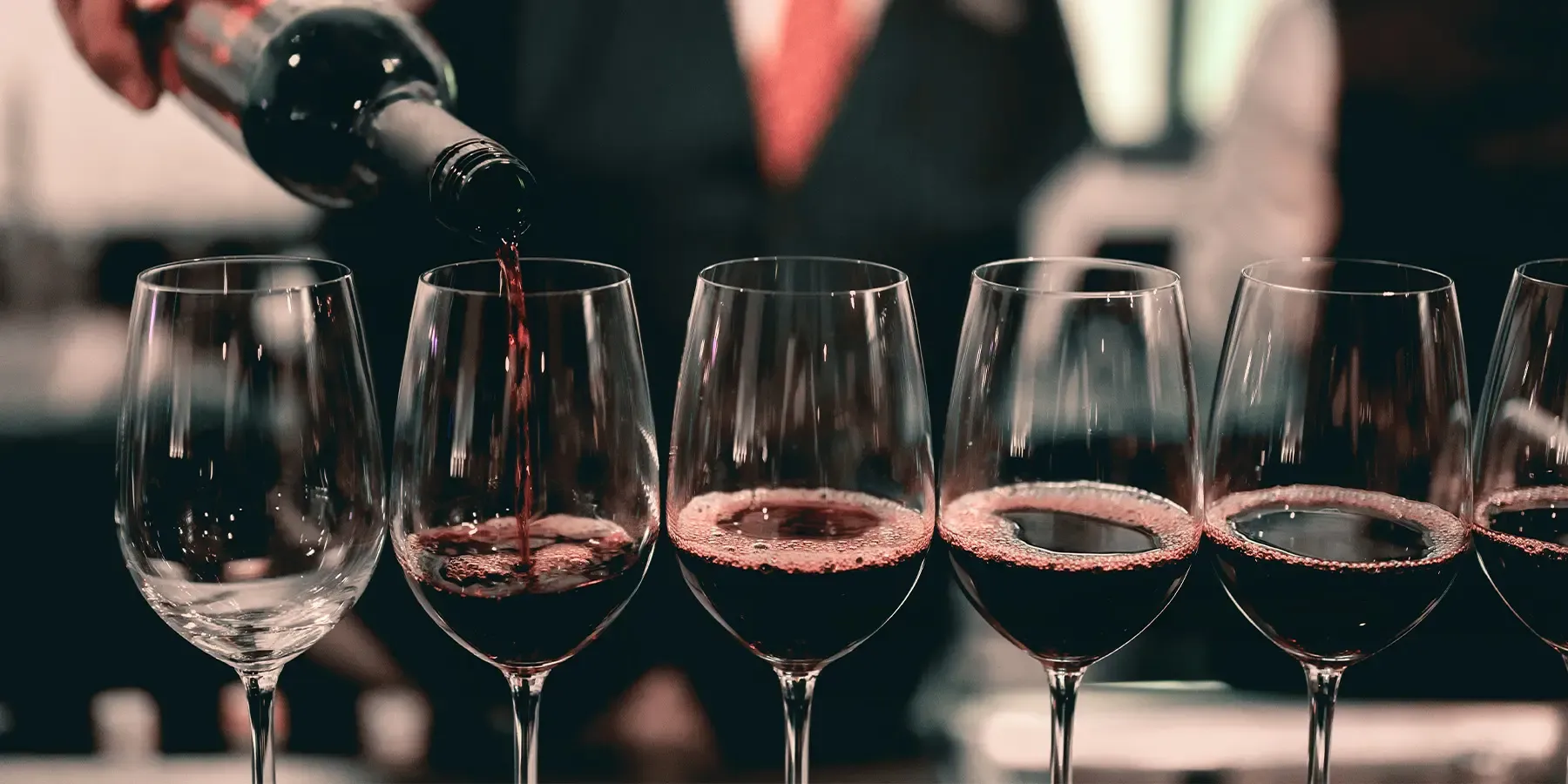
Choosing the right wine for a first tasting
For a first tasting, it's essential to choose wines that are accessible yet representative of the main characteristics of different types of wine. Here are a few tips to help you choose the right wines:
- Start with young wines: young wines, especially dry whites or light reds, are often easier for beginners to grasp than complex, tannic wines.
- Explore different regions: France is rich in diverse terroirs. Try wines from different regions, such as Burgundy, Bordeaux or the Loire Valley, to understand the diversity of styles.
- Vary the grape varieties: taste wines made from a variety of grape varieties (chardonnay, merlot, sauvignon, malbec, semilion, etc.) to learn to distinguish their specific characteristics.
Take tasting notes to progress
It's always a good idea to take notes during your wine tastings. Write down the wines you liked, describe their aromas, flavors and textures, and compare them with other wines you've tasted before. This will help you better understand your preferences and refine your palate over time.
Practise wine tasting and stay curious
Wine tasting is a gradual process that requires both curiosity and relaxation. Don't be discouraged if you can't immediately identify all the aromas, or if you find it difficult to express your sensations. More you taste different wines, more you'll refine your palate and become able to perceive subtleties. Curiosity is essential to progress: visit vineyards, talk to winemakers, read up on the subject or take part in workshops. But don't forget that tasting is above all a moment of pleasure. Don't put pressure on yourself, just enjoy the experience.
Wine tasting glossary
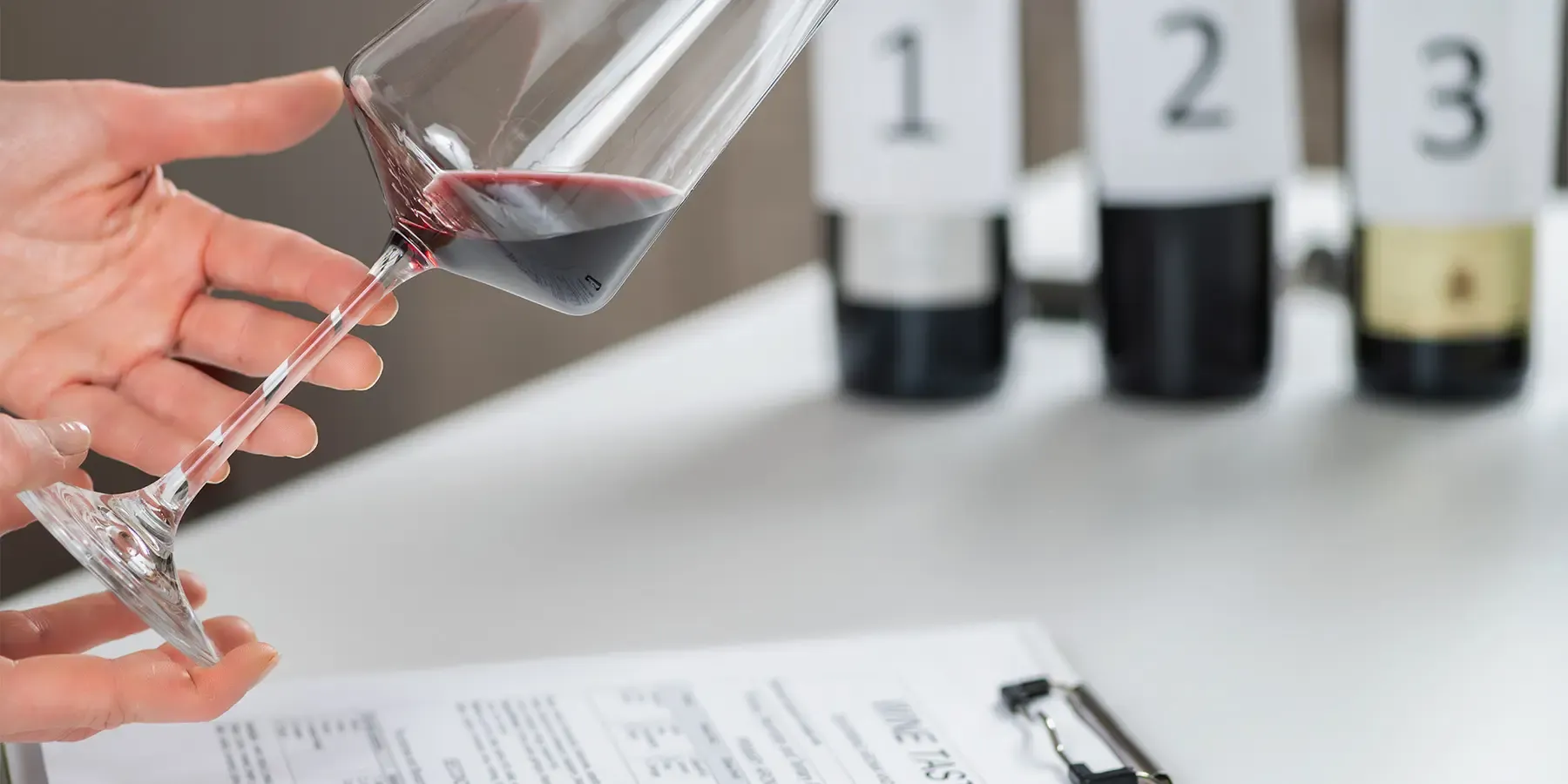 One of the objectives of a wine tasting is to be able to put into words what you feel. Wine has its own vocabulary, which may seem complex at first. Here's our basic wine-tasting lexicon:
- Acidity: sensation of freshness in the mouth, often associated with white wines and young wines.
- Aeration: the action of letting the wine oxygenate to release its aromas.
- Aromatic: a wine that expresses intense aromas.
- Aromas: all the smells perceived by the nose during tasting. Primary aromas come from the grape, secondary aromas from fermentation and tertiary aromas from aging.
- Assemblage: the process of blending several grape varieties or wines from different parcels.
- Astringency: sensation of dryness on the palate due to the tannins present in red wines.
- Attack: first sensation felt in the mouth when tasting a wine.
- Boisé: wine with woody aromas (vanilla, toasted), resulting from barrel ageing.
- Bouchonné: wine with a musty taste, caused by a faulty cork.
- Bouquet: all the aromas developed by wine after fermentation and during aging.
- Varietal: grape variety used to produce wine (e.g. Merlot, Chardonnay).
- Charnu: a dense wine with a velvety, full texture.
- Body: the sensation of volume and weight of the wine in the mouth, ranging from light to powerful.
- Élevage: the period of maturation after fermentation, often in oak barrels.
- Balanced: a wine that displays good harmony between its various components (acidity, alcohol, sugars and tannins).
- Finish: persistent sensation left in the mouth after swallowing or spitting out the wine.
- Great wine: term used to designate a wine of superior quality, generally from an exceptional terroir. It is often used for specific vineyards with an official classification (as in Burgundy or Bordeaux).
- Legs: traces of wine on the glass, indicating viscosity and richness.
- Vintage: year of harvest of the grapes used to produce the wine.
- Mineral: refers to a wine that evokes aromas of stone, chalk, flint or other terroir-related elements.
- Nose: all the aromas of a wine perceived by the sense of smell.
- Onctuosity: characteristic of a wine with a soft, silky texture on the palate.
- Opulent: rich, powerful wine with intense aromas.
- Persistent: said of a wine whose flavors remain in the mouth for a long time after swallowing.
- Racé: wine with a strong personality and a marked link to terroir.
- Robe: color and visual appearance of the wine in the glass.
- Round: soft, balanced wine, without marked acidity or hard tannins.
- Tight: wine with dense tannins, giving a compact mouthfeel.
- Tannin: natural compounds present in grape skins, responsible for the astringency and structure of red wines.
- Tannic: a wine with a strong presence of tannins, giving a sensation of dryness on the palate.
Wine tasting is a learning process!
Participating in your first wine tasting is an experience rich in discovery. With a little preparation and the right tools, you'll be able to enjoy every step of the process and develop your tasting skills. More you taste, more you'll learn to recognize and appreciate the nuances of different wines.
So relax, let your senses guide you and enjoy your introduction to the art of wine tasting!

Fine wine is worth your passion

+ More than 1,400 wines
Bordeaux, Burgundy, Rhône Valley, Italy, ...
Secure delivery
Break-free delivery with our technology.
The 1% of the planet
From more than 250 top domains in the world.
The Cave INVEST offer and the Cave CONSO offer have been the subject of information documents registered by the Autorité des Marchés Financiers.